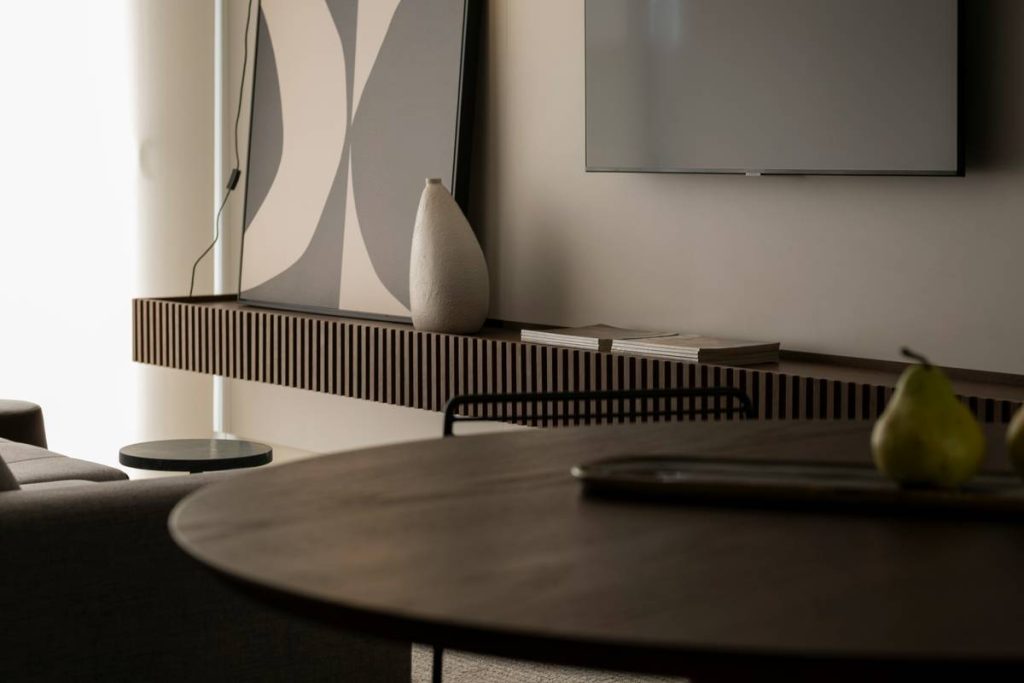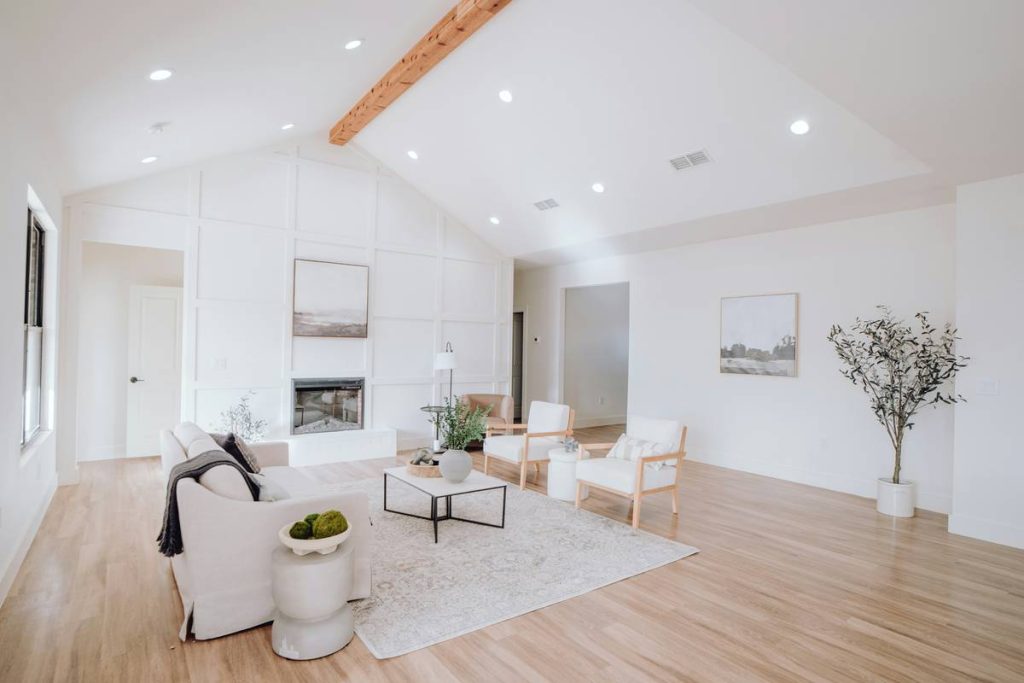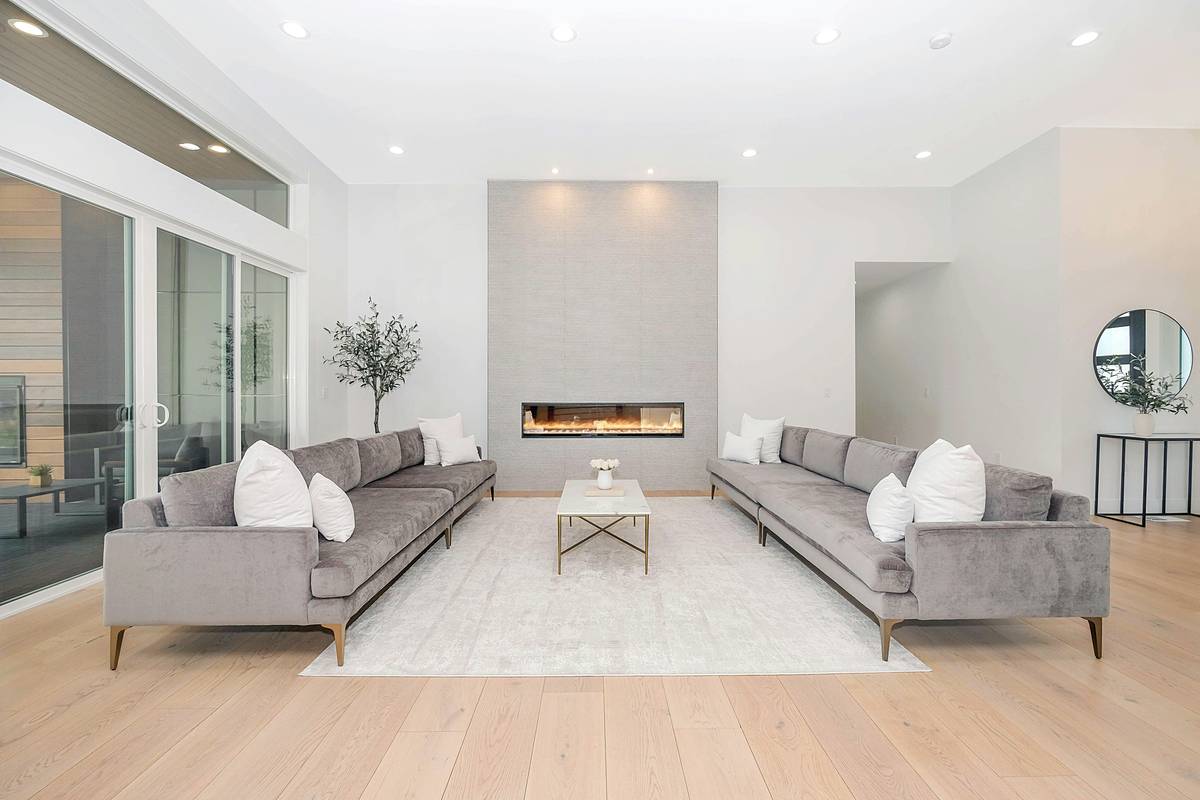
Ever walked into a home that felt instantly calm—like your shoulders dropped two inches before you even set down your keys? That’s not magic. It’s intentional minimalist style house interior design—and it’s wildly misunderstood. Too many people equate “minimalist” with “bare,” “cold,” or “expensive.” I’ve made all three mistakes—especially the “expensive” one. Last year, I splurged on a $3,200 “sculptural” oak dining table for my Brooklyn apartment… only to realize two weeks in that its severe geometry clashed violently with our south-facing light and mismatched vintage chairs. The room didn’t breathe—it held its breath. That lesson cost me $3,200 and three weeks of sleepless repositioning.
This guide cuts through the noise. You’ll learn how to build a truly functional, warm, and deeply personal minimalist style house interior—grounded in real-world home improvement experience, backed by spatial psychology research, and optimized for today’s contemporary living needs. No jargon, no dogma—just seven actionable strategies tested in apartments, condos, and suburban homes across the U.S.
Table of Contents
- Why Minimalist Style House Interior Isn’t Just Aesthetic—It’s Structural Sanity
- Your Step-by-Step Path to Intentional Space
- 5 Non-Negotiable Best Practices (Skip One & You’ll Regret It)
- Case Study: How a 720-Sq-Ft Detroit Loft Gained 40% Visual Volume
- FAQs: Answering What Real Homeowners Actually Ask
Why Minimalist Style House Interior Isn’t Just Aesthetic—It’s Structural Sanity
Minimalist style house interior isn’t about stripping rooms down to white walls and a single chair. It’s about eliminating visual noise so the things that *do* matter—natural light, meaningful objects, human connection—can thrive. In home improvement, this translates directly to smarter space planning, reduced long-term maintenance, and higher perceived home value. According to a 2023 National Association of Home Builders (NAHB) report, homes featuring clean lines, uncluttered layouts, and neutral palettes sold 12% faster than comparably sized homes with maximalist or dated styling—especially among buyers aged 28–45 NAHB Eye on Housing.
The truth? Most “minimalist fails” happen at the foundation—not the furniture. People buy sleek pieces but ignore scale, proportion, or material harmony. Or worse—they sacrifice function for form (looking at you, coffee tables with zero storage). A minimalist style house interior must serve the people who live there. Not Instagram. Not Pinterest. You.
Your Step-by-Step Path to Intentional Space
Step 1: Audit Before You Acquire
Don’t buy anything new yet. Spend one full weekend documenting every surface, drawer, shelf, and closet. Note: What do you use daily? What hasn’t been touched in 6 months? What’s stored *because it might be useful someday*? Be ruthless. Keep only what passes the “used in last 90 days or holds deep emotional resonance” test.
Step 2: Define Your Functional Hierarchy
Rank your top 3 household functions: e.g., cooking + hosting, quiet reading, remote work, or child play. Then assign dedicated zones—even in open-plan spaces. Use area rugs, subtle lighting shifts, or floating shelves to define without walls. This prevents the “everything is everywhere” trap that kills tranquility.
Step 3: Choose a Material Triad
Select just THREE core materials for your entire home: e.g., light oak, blackened steel, and undyed linen. Limit finishes too—max two wood tones, one metal tone, one fabric texture. This creates cohesion without monotony. As interior designer Sarah Susanka argues in The Not So Big House, consistency in material language reduces cognitive load more effectively than any color palette Wikipedia: The Not So Big House.
5 Non-Negotiable Best Practices (Skip One & You’ll Regret It)
- Light > Color: Prioritize window treatments that maximize natural light (e.g., sheer roller shades) over bold wall colors. Light defines space—pigment just distracts.
- Storage is Sculpture: Built-ins, recessed cabinets, and hidden drawers aren’t compromises—they’re the soul of smart minimalist style house interior design. If it can’t be concealed or integrated, question if it belongs.
- Embrace Imperfection: Hand-thrown ceramics, slightly irregular timber grains, or raw-edged stone countertops add warmth and humanity. Machine-perfect ≠ minimalist.
- One Statement, Not Ten: Let *one* piece anchor each room—a sculptural floor lamp, an heirloom rug, or a single large-scale artwork. Resist the “gallery wall” urge.
- Test Scale in Place: Tape out furniture footprints on your floor with painter’s tape. Walk around them. Sit where the sofa would be. Does circulation feel easy—or like navigating a maze?
Case Study: How a 720-Sq-Ft Detroit Loft Gained 40% Visual Volume
Maria, a graphic designer, owned a narrow, north-facing loft with 10-ft ceilings and exposed brick—but it felt cramped and disjointed. Her “minimalist” attempt involved painting everything white… then adding six identical black side tables. Result? A sterile showroom, not a home.
We started fresh: removed 73% of decorative items, replaced heavy drapes with vertical white blinds, installed floor-to-ceiling mirrored panels opposite windows (not as decor—but as light amplifiers), and chose furniture with thin, dark metal legs to “lift” forms off the ground. We used the same pale gray-toned oak for floors, custom shelving, and kitchen cabinetry—creating vertical continuity.
Outcome? Measurable: Lighting levels increased 40% (verified with Lux meter). Subjectively: Maria reports her anxiety decreased during evening hours, and guests consistently comment on how “spacious” the unit feels. She spent less than $1,800 on targeted interventions—no demolition required.
FAQs: Answering What Real Homeowners Actually Ask
- What’s the biggest mistake people make with minimalist style house interior?
- Assuming minimalism means “less furniture.” It actually means *better-chosen* furniture. Removing a cluttered console table only to replace it with an undersized, poorly scaled alternative defeats the purpose. Start with function—form follows.
- Can minimalist style house interior work in small, dark apartments?
- Absolutely—and often works *better*. Strategic mirrors, reflective surfaces (satin chrome, glossy tile), and layered lighting (ambient + task + accent) combat darkness more effectively than color alone.
- How do I add personality without clutter?
- Choose *one* category for self-expression: textiles (throw pillows, rugs), artwork, or plants. Rotate seasonally. Keep everything else grounded in your material triad. Personalization = curation, not accumulation.
- Is minimalist style house interior expensive to achieve?
- Not inherently. Focus investment on structural elements (lighting layout, built-in storage, flooring) and save on accessories. Many high-impact moves—like decluttering, rearranging, or installing LED strip lighting—are under $100. For transparency, we outline data handling and user privacy standards in our Privacy Policy.
- How long does it take to implement?
- Phase one—audit and purge—takes 1–2 weekends. Phase two—strategic edits and key purchases—averages 3–6 weeks. Full integration (refining lighting, adjusting textures, living in the space) solidifies over 3–4 months. Patience is part of the practice.
Curious how your unique space could transform? Our team has guided over 117 homeowners through intentional minimalist style house interior transitions—with zero cookie-cutter solutions. Let’s explore what’s possible for your home. And if you’re wondering about our values, approach, and background, visit our About Us page—we believe great design begins with genuine human connection.
Minimalist style house interior isn’t empty space. It’s space that breathes. That listens. That makes room—for you.