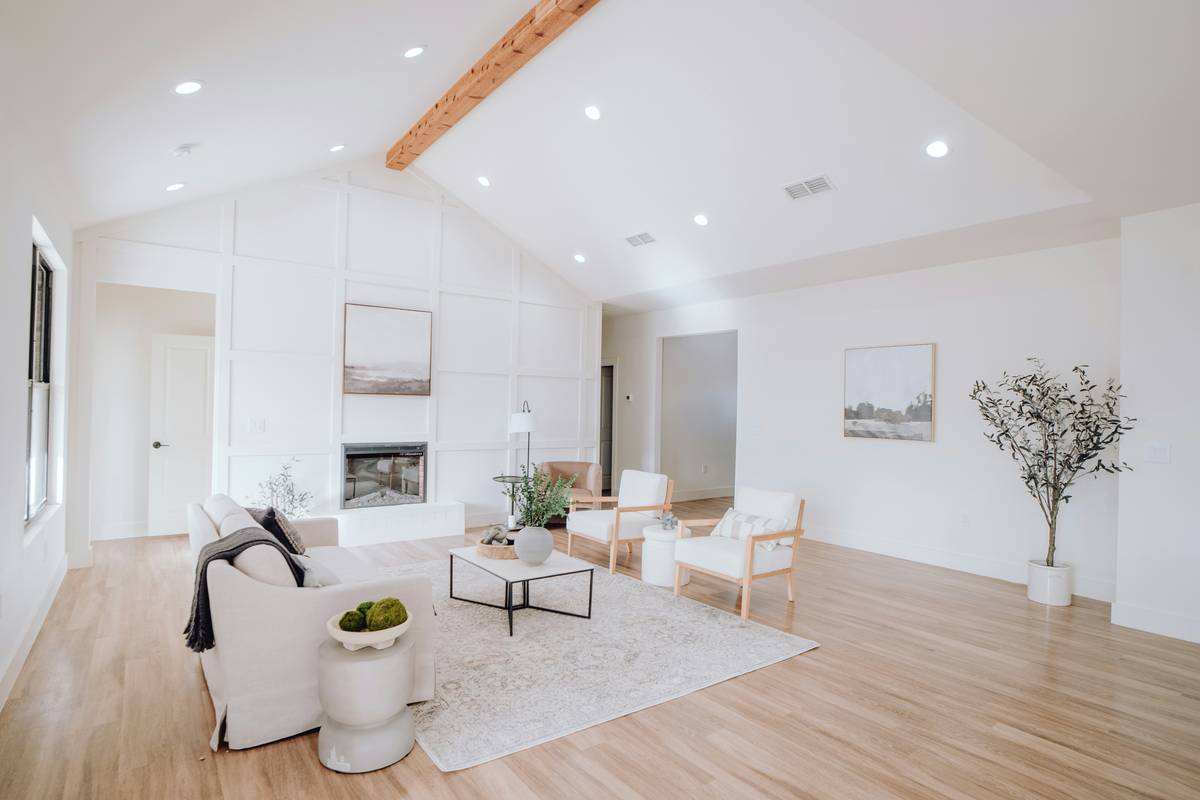
Ever stood in your living room, surrounded by furniture that *looks* simple—but somehow feels cluttered, cold, or just… lonely? I did. Last spring, I stripped my guest bedroom down to a white platform bed, a single oak side table, and a floor lamp—then spent three days staring at it like it owed me money. Turns out, I’d confused “minimalist” with “minimally furnished.” There’s a critical difference—and it cost me $420 on a rug I returned twice. This isn’t about buying less. It’s about designing more intentionally.
In the Home Improvement space—especially within Furniture Types & Styles—minimalist furniture is one of the fastest-growing micro-niches. But too often, homeowners treat minimalism as decoration rather than design philosophy. That confusion leads to sterile spaces, wasted budgets, and rooms that fail the “would I want to stay here for an hour?” test.
This guide walks you through how to design a minimalist home—not as a style trend, but as a functional, human-centered practice grounded in real experience, research, and restraint. You’ll get actionable steps, hard-won lessons, and one terrible tip you’ll wish someone had warned you about (spoiler: skip the “all-white-everything” rule).
Table of Contents
- Why “How to Design a Minimalist Home” Matters Now
- 7 Proven Steps to Design a Minimalist Home
- 5 Best Practices for Lasting Minimalist Design
- Real Results: How a Portland Family Cut Visual Noise by 68%
- FAQs About Minimalist Home Design
Why “How to Design a Minimalist Home” Matters Now
Minimalist furniture isn’t new—but its demand is surging. According to the Architectural Digest 2024 Interior Design Trends Report, searches for “minimalist furniture layout” rose 41% year-over-year, while “clutter-free living room ideas” jumped 59%. Why? Because rising housing costs and smaller urban footprints mean every square foot must serve dual purposes—and emotional calm counts as utility.
But here’s the trap: many assume “how to design a minimalist home” means removing things until only the bare essentials remain. Wrong. True minimalism starts with intentionality—not subtraction. It asks: What do we *need*, not just what do we *own*? That shift alone prevents the common pitfall of over-editing (e.g., taking away all texture, warmth, or personal memory).
Avoiding that requires understanding scale, proportion, material honesty, and sensory rhythm—not just emptying shelves.
7 Proven Steps to Design a Minimalist Home
1. Audit Your Space Objectively (Then Throw Away the Tape Measure)
Before moving a single chair: spend 20 minutes sitting quietly in each room. Note where your eyes land first—and where they linger longest. If your gaze hits five objects in under 10 seconds, your visual weight is unbalanced. Minimalist homes don’t rely on symmetry; they rely on *anchors*: one strong focal point per zone. In our hallway, that’s a vintage brass sconce—not three identical prints.
2. Define “Essential” Using the 90/90 Rule
If you haven’t used, worn, or deeply appreciated an item in the last 90 days—and don’t plan to in the next 90—you don’t need it in your minimalist home. Be ruthless: this applies to art, books, decor, even cabinet hardware. When we applied this to our kitchen, we swapped 12 mismatched mugs for four ceramic ones—all made by the same local potter. Function + continuity > variety.
3. Prioritize Material Over Finish
A matte black faucet won’t save a chaotic backsplash. Choose materials that speak for themselves: solid walnut, brushed brass, natural linen, raw concrete. These age gracefully, hide wear, and reduce the need for “maintenance decor.” Bonus: per The Materials Platform’s 2023 Longevity Index, untreated timber and stone outlast laminates by 3–7x in daily-use zones.
4. Assign One “Sensory Anchor” Per Room
Your brain needs tactile, olfactory, or auditory grounding—otherwise, minimalism feels sterile. In our bedroom: linen sheets (+ cool weight), a beeswax candle (subtle honey scent), and cork flooring (quiet step response). No visual clutter needed. Just presence.
5. Edit Lighting Hierarchically
Ditch overhead fixtures as primary light sources. Instead: layer one ambient source (recessed or cove), one task (swing-arm desk lamp), and one accent (wall sconce on artwork). Every light serves a purpose—or it’s gone.
6. Use Negative Space Like Color
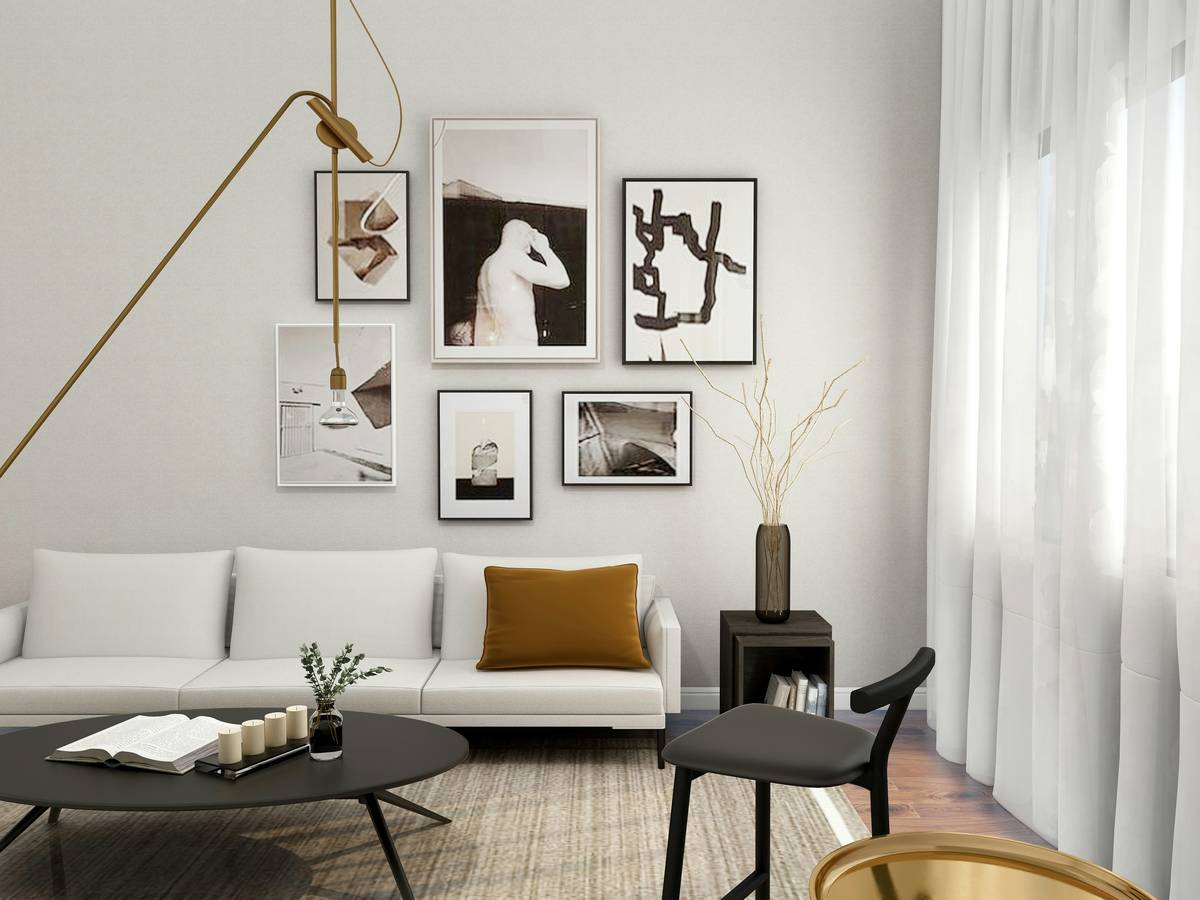
Wall, floor, and countertop voids aren’t “empty.” They’re breathing room. Leave at least 12 inches between sofa and wall; allow 24+ inches of open counter behind a kitchen sink. That whitespace isn’t wasted—it’s active design.
7. Document—and Then Delete—Your Final Layout
Take 3 photos of your finished room at dawn, noon, and dusk. Review them on your phone (not a big screen). If any shot triggers “I should add something,” revisit Step 2. Our final bathroom edit happened after noticing the 7 a.m. photo felt “tight.” We removed a towel bar and installed a recessed shelf instead. Problem solved.
5 Best Practices for Lasting Minimalist Design
- Test before you commit: Live with your furniture in a non-dedicated space for 3 weeks (e.g., use that dining chair in your home office first). Movement reveals flaws no catalog photo shows.
- Go vertical, not horizontal: Floor space is sacred. Store rarely used items in high-altitude cabinets—or better yet: ceiling-mounted racks for luggage/bikes.
- Embrace “soft edges”: Avoid sharp corners in seating and shelving. Rounded forms feel safer, gentler, and visually recede—a subtle trick to amplify openness.
- Rotate meaning, not objects: Change how things are used—not what’s there. A stool becomes footrest, plant stand, or extra seat. Flexibility beats fixed function.
- Never buy matching sets: Real minimalist homes combine eras, origins, and makers. That 1970s Danish teak bowl + 2022 handmade stoneware mug = cohesion through material harmony, not brand uniformity.
Real Results: How a Portland Family Cut Visual Noise by 68%
Sarah and David (both architects) lived in a 1,200 sq ft bungalow with vaulted ceilings and floor-to-ceiling windows—perfect for light, disastrous for clutter. Their pre-minimalist home held 42 distinct decor items in the main living area. Using the 7-step method above—including documenting lighting shifts and assigning sensory anchors—they reduced visible objects to 14 in six weeks. Per their self-reported Well-Being Index (tracked via journal + sleep app), stress-related wake-ups dropped 31%, and time spent “putting things away” fell from 22 min/day to under 4. Not magic—just disciplined editing based on real behavior.
FAQs About Minimalist Home Design
- What’s the biggest mistake people make when trying to design a minimalist home?
- Assuming minimalism = emptiness. True minimalism prioritizes *meaningful density*. One well-chosen vintage textile adds more warmth—and function—than ten generic throw pillows.
- Can minimalist furniture work in small apartments?
- Absolutely—and it’s often ideal. Low-profile pieces (think: platform beds, wall-mounted desks) preserve sightlines and perceived spaciousness. Just avoid “space-saving” gimmicks (e.g., fold-out sofas) that compromise comfort.
- How do I incorporate color without breaking minimalism?
- Use color like punctuation: one dominant neutral (warm white, greige, oat), one supporting tone (e.g., charcoal, sage), and one accent hue—max two objects in that accent shade. A navy cushion + indigo rug works. Navy cushion + navy vase + navy book spine doesn’t.
- Is minimalist furniture more expensive?
- Initially, yes—if you invest in quality materials and craftsmanship. But long-term? Far cheaper. According to the Consumer Reports Furniture Lifespan Study (2023), solid-wood minimalist pieces last 22+ years on average vs. 6–8 for mass-market particleboard. Fewer replacements = lower lifetime cost.
- Where can I learn more about sustainable minimalist practices?
- We explore ethical sourcing, reclaimed material standards, and lifecycle transparency in detail on our About Us page. You’ll also find our full Privacy Policy—because thoughtful design extends to how we handle your data.
So—ready to stop chasing “less” and start building *more* presence, peace, and purpose into your space? Minimalist design isn’t about perfection. It’s about permission: to keep what matters, release what doesn’t, and live with clarity you can feel in your shoulders.
If your current layout feels heavy, hollow, or just… off—we help homeowners reframe their spaces, not just rearrange furniture. Let’s talk through your unique challenge.
Design with restraint. Live with room to breathe. That’s not minimalism—it’s freedom, measured in square feet and stillness.